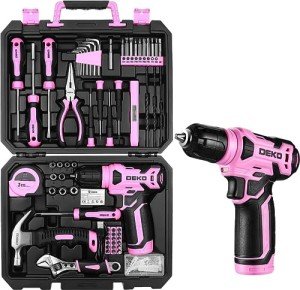
14 Smart Ways To Spend Left-Over Build Your Own Power Tool Kit Budget
Build Your Own Power Tool Kit: A Complete Guide
Creating your own power tool kit is an amazing endeavor for both experienced DIY lovers and those just beginning their home enhancement journey. Not just does a customized tool kit guarantee that you have the correct tools for your jobs, but it likewise permits modification based on your specific needs and preferences. This guide will navigate the vital tools you need, organization strategies, and ideas for choosing the best parts for your kit.
Why Build Your Own Power Tool Kit?
- Personalized Selection: You can select the tools that fit your personal jobs and preferences.
- Quality Over Quantity: Investing in less high-quality tools is often more efficient than collecting a large, unorganized collection of mediocre tools.
- Affordable: By carefully choosing tools, you can save money compared to pre-packaged kits filled with products you might not use.
- Ability Development: Building your tool kit motivates you to check out various DIY tasks, improving your skills along the method.
Essential Power Tools for Your Kit
Below is an extensive list of important power tools categorized by type, with descriptions and typical uses.
Tool
Description
Common Uses
Cordless Drill
A flexible tool used for drilling holes and driving screws.
Drilling into wood, metal, and plastic; assembling furniture.
Circular Saw
A power-saw that uses a toothed or abrasive disc to cut through different materials.
Cutting plywood, lumber, and sheet goods.
Jigsaw
A saw with a directly, narrow blade that moves up and down to cut curves and shapes.
Cutting intricate patterns in wood and other products.
Orbital Sander
A hand-held sander that moves in a circular movement for smooth surfaces.
Smoothing surface areas of wood, paint removal.
Reciprocating Saw
A saw that cuts with an up-and-down movement suitable for demolition and challenging cuts.
Cutting through metal or wood in tight spaces.
Impact Driver
A tool created to drive screws and fasteners with high torque.
Sturdy screw driving and securing jobs.
Angle Grinder
A versatile tool utilized for grinding, cutting, and polishing.
Metalwork, masonry, and tile cutting.
Nail Gun
A powered gadget that drives nails into various materials.
Framing, woodworking, and building projects.
Router
A tool used to hollow out (path) a location in hard product, usually wood.
Decorative edge shaping; cutting dados and grooves.
Heat Gun
A handheld tool that produces a stream of hot air to soften or get rid of materials.
Paint removing, shrink-wrapping, and drying materials.
Optional Tools for Advanced Projects
Tool
Description
Common Uses
Table Saw
A set saw with a circular blade used for making exact cuts.
Big wood jobs and cabinets.
Band Saw
A saw with a long, sharp blade that relocates a constant loop.
Curved cuts, resawing lumber.
Miter Saw
A saw that makes crosscuts and miters in wood.
Making precise angled cuts for trim and moldings.
Planer
A tool that shaves wood pieces to a consistent thickness.
Smoothing rough lumber, making surfaces level.
Joiner
A tool that connects two pieces of wood edge-to-edge.
Developing flat, straight edges on lumber.
Tips for Selecting Your Tools
- Assess Your Needs: Determine what type of projects you will be working on and pick tools appropriately.
- Test Before You Buy: If possible, try tools at a hardware store to find what feels comfortable.
- Consider Battery Life and Availability: For cordless tools, examine battery requirements and consider buying additional batteries or suitable chargers.
- Prioritize Ergonomics: A comfy tool can help mitigate fatigue and boost your working experience.
- Inspect Warranty and Support: Tools often feature warranties, so choose brands that supply good customer service and support.
Organizing Your Power Tool Kit
An arranged tool kit makes sure that you can easily find what you need when dealing with a job. Think about the following company methods:
- Toolbox or Storage System: Choose a strong toolbox or mobile cart that can accommodate your tools, supplies, and devices.
- Identifying: Use labels or markers to indicate where specific tools belong, making it easy to locate products quickly.
- Regular Maintenance: Keep your tools tidy and properly maintained to guarantee longevity and performance.
Upkeep Tips
- Tidy Tools Regularly: Remove particles and dust after each usage.
- Look for Damage: Inspect cords and mechanisms for wear; replace or fix as needed.
- Shop Properly: Keep tools in a dry, steady environment away from wetness and extreme temperatures.
Regularly Asked Questions (FAQ)
Q: How do I know which power tools to start with?
A: Starting with a cordless drill and a circular saw is ideal for many beginners. These tools are flexible and can manage a variety of jobs.
Q: Should I buy new or secondhand power tools?
A: It depends on your budget plan and comfort level. While new tools typically feature guarantees, used tools can be an affordable alternative if examined effectively.
Q: How frequently should I replace my power tool batteries?
A: This mostly depends upon usage, however change batteries when you observe a substantial decrease in performance, such as reduced use time or failure to hold a charge.
Q: Are there any security suggestions I should know?
A: Yes! Constantly wear Power Tool Set Deals (safety glasses, gloves) and read user manuals completely before running any power tools.
Structure your own power tool kit is not just practical however empowering. By thoroughly picking the right tools and arranging them successfully, DIY enthusiasts can set themselves up for success in a wide selection of jobs. Consider this guide your blueprint as you build a power tool kit tailored to your unique needs. Whether you are hanging a picture frame or undertaking a full restoration, having the right tools at hand is the initial step towards accomplishing your vision. Delighted structure!